
Insulation And Wall Panels
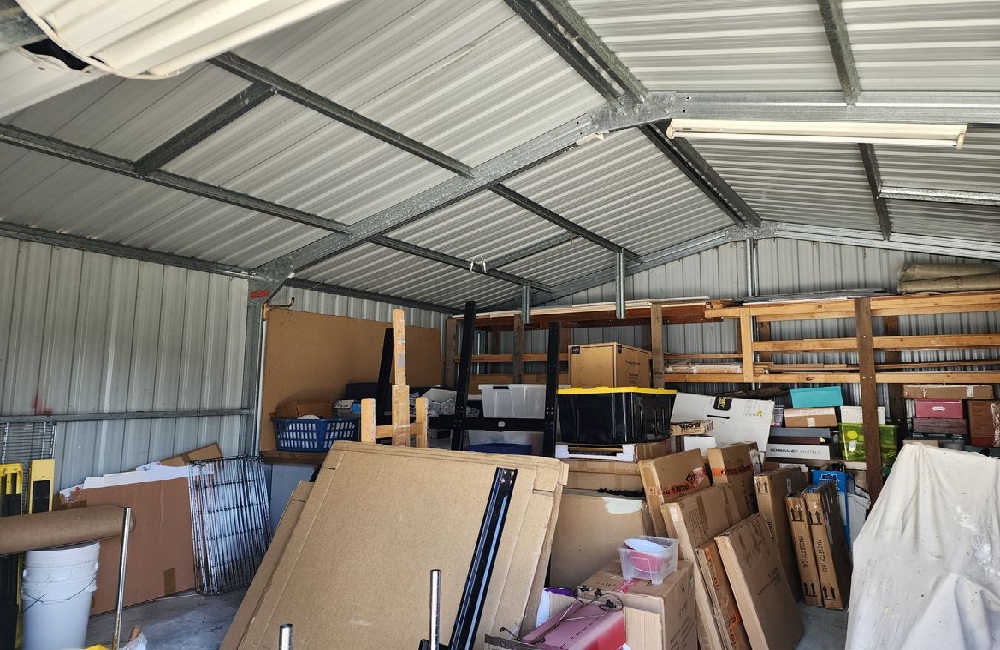
Insulation and wall panels are building components designed to improve a structure's thermal performance, durability, and appearance. Insulation, often incorporated within or applied to wall panels, helps regulate temperature by reducing heat transfer. Wall panels, whether decorative or structural, provide a finished surface while potentially offering additional benefits like soundproofing or impact resistance.
Insulation:
-
Purpose:
Insulation materials, such as fiberglass, foam (EPS, XPS, polyurethane), or mineral wool, resist heat flow, keeping buildings warmer in winter and cooler in summer.
-
Types:
Common types include batts, rolls, loose-fill, spray foam, and rigid foam boards, each suited for different applications.
-
Benefits:
Reduced energy consumption, lower utility bills, improved comfort, and potentially enhanced soundproofing.
-
Installation:
Insulation can be installed in walls, ceilings, floors, and roofs, either during construction or as a retrofit.
Wall Panels:
-
Purpose:
Wall panels provide a finished surface for interior or exterior walls, offering aesthetic appeal, protection, and potentially insulation.
-
Types:
Panels can be made from various materials, including wood (plywood, MDF), metal (aluminum, steel), composites (fiber cement), or even decorative panels with integrated insulation.
-
Benefits:
Uniform appearance, protection from damage, soundproofing, and can be easily replaced or updated.
-
Installation:
Panels can be applied directly to framing, over existing walls, or as part of a larger system like insulated metal panels (IMPs).
Insulated Wall Panels (SIPs & IMPs):
-
Description:
These panels consist of an insulation core (often foam) sandwiched between two structural facings (like OSB or metal).
-
Benefits:
Offer excellent thermal performance, structural strength, and faster installation compared to traditional construction.
-
Types:
Structural insulated panels (SIPs) are often used for walls, roofs, and floors, while insulated metal panels (IMPs) are more common for exterior walls and roofs.
Key Considerations:
-
R-value:
A measure of thermal resistance, indicating the effectiveness of insulation. Higher R-values mean better insulation.
-
Installation method:
Proper installation is crucial for maximizing insulation performance and preventing air leaks.
-
Building code requirements:
Insulation and wall panel materials must meet local building codes and fire safety regulations.